


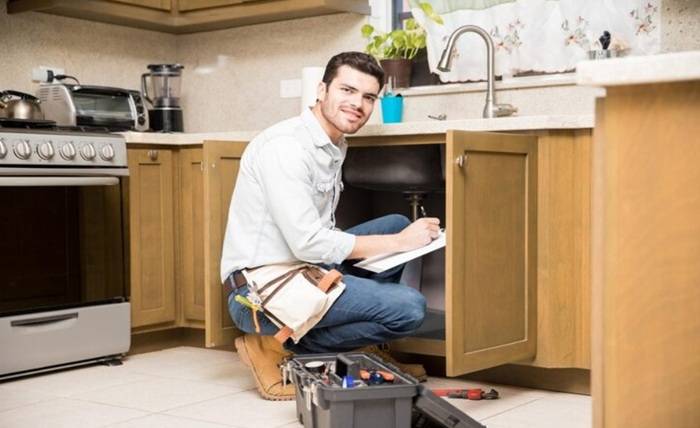
Plumbing gets ignored — until it doesn’t work. Then it’s suddenly all anyone can think about. But here’s the thing: damage rarely happens overnight. It builds slowly, driven by small choices repeated hundreds of times across months and years. Those pipes behind your walls are under more stress than you’d guess, and some surprisingly ordinary routines are what’s putting them there.
1. Dumping Grease Down the Kitchen Drain
Hot grease flows. That’s the trap. It slides right down the drain without any obvious resistance — feels harmless. But once it contacts cooler pipe walls, it solidifies and sticks. Food scraps, soap residue, and other debris pile onto that greasy coating over time, narrowing the pipe until water can barely push through. Bacon drippings, butter, pan runoff — none of it belongs anywhere near your drain. Where does it end? A rock-solid clog and a plumber’s invoice. Cool the grease in a jar or old can first. Then trash it. That’s genuinely the whole fix.
2. Flushing Things That Aren’t Toilet Paper
Toilets handle two things well. Waste. Toilet paper. Everything else is a gamble — full stop. “Flushable” wipes are probably the worst offender; that label is misleading at best, dishonest at worst. Cotton balls, dental floss, feminine hygiene products, paper towels — none of them disintegrate the way toilet paper does. They clump, wrap around pump mechanisms, and lodge deep inside older pipes where removal gets expensive fast. One wrong flush in a house with aging or narrow lines can set off a cascade of problems. So: small trash bin in every bathroom. No exceptions. When the bin’s right there, guests and kids don’t have to make a conscious decision — the right choice is just the obvious one.
3. Reaching for Chemical Drain Cleaners Too Often
Slow drains are maddening. Grabbing that bottle under the sink feels logical. But caustic drain cleaners aren’t just aggressive toward clogs — they’re corrosive to pipe walls too. Use them repeatedly and you’re essentially dissolving your own plumbing from the inside out. Galvanized steel and cast iron are especially vulnerable. What looks like a cheap fix quietly accumulates into pipe damage that eventually demands full replacement — far costlier than any service call. Enzyme-based cleaners are gentler and still get the job done. A mechanical snake handles stubborn blockages without any chemical toll whatsoever.
4. Letting Leaks Slide
A slow drip under the sink reads as minor. It isn’t. Water moving through a compromised fitting steadily erodes seals, encourages rust, and undermines surrounding connections — quietly, invisibly. What starts as a faint drip widens. It soaks into walls, warps flooring, damages structural elements long before anyone notices anything’s wrong. A single dripping faucet can waste thousands of gallons annually, and your water bill reflects every last drop.
Hard water makes all of this worse. Mineral-heavy water corrodes pipe interiors and connection points faster than soft water does, which is why many homeowners turn to water filtration systems in Concord, NC to reduce sediment buildup and protect fixtures over the long haul. And beyond the plumbing itself — persistent moisture breeds mold. Fix leaks early, before the problem outgrows a simple repair.
5. Running Every Water Appliance at Once
Dishwasher, washing machine, two showers simultaneously — modern households do this constantly. The plumbing doesn’t love it. Heavy simultaneous water use creates pressure surges that hammer joints, seals, and valves. Repeatedly. That stress accelerates wear in ways you won’t notice until something fails spectacularly. Older homes with undersized supply lines feel this most acutely; the system simply wasn’t built for that kind of demand all at once. Stagger usage where possible. Run laundry before or after showers rather than alongside them. A pressure regulator helps too — it smooths out the spikes that hit whenever multiple fixtures compete for water at the same moment.
Conclusion
None of these habits feel dramatic in the moment. That’s exactly what makes them dangerous. Grease down the drain, the wrong thing flushed, a chemical cleaner used once too often, a drip ignored for six months, four appliances running at noon — each one seems trivial. Together, they grind down pipes and fixtures well ahead of schedule. Small adjustments cost almost nothing. But they add up to years of reliable plumbing and thousands of dollars in repairs you never had to make. That trade is worth it.